Research article: Karhu and Heiskanen (2025) deepen our understanding of aspects of implementing the ProVaka model by examining the process through the lens of three key dimensions: structures, understanding, and experimentation. ProVaka implementation is viewed as a process where the Early Childhood Education and care (ECEC) units develop an inclusive ethos by iteratively strengthening structural aspects of ProVaka, deepening theoretical understanding of the model, and by experimenting with new practices.
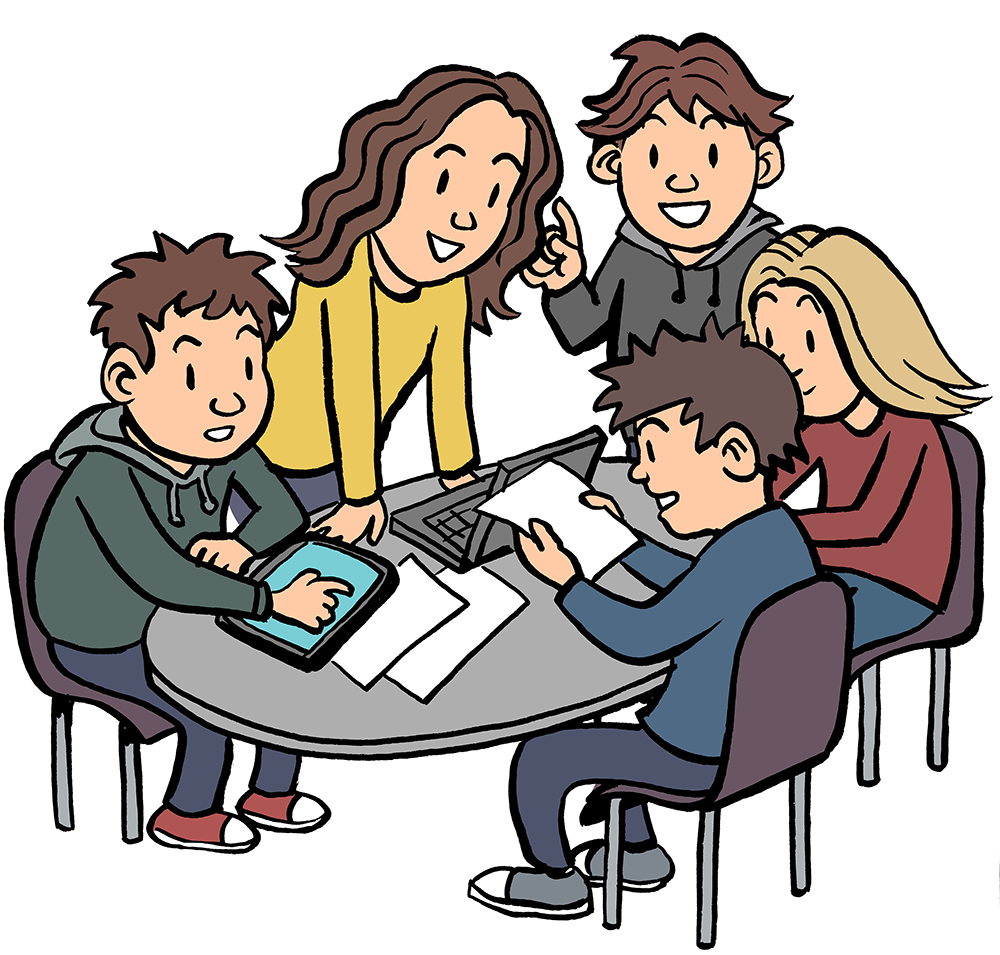
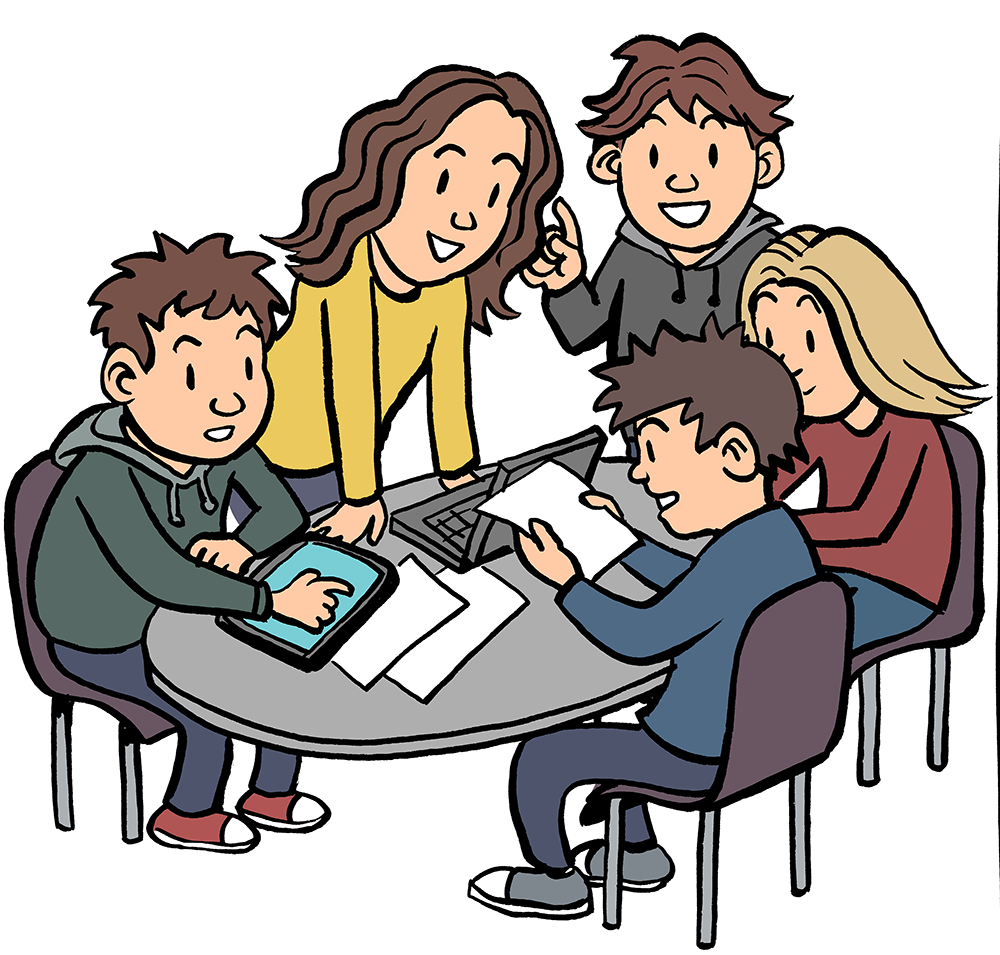
The study is based on diary entries made by members of 18 ProVaka teams during an 18-month implementation period. The aim of the implementation period was to build shared, proactive, and participatory practices that support the socio-emotional development of all children. Three key areas were identified as important for doing this successfully. Structures refer to the organisation of the development work and communication within the unit, including the formation of an in-house ProVaka team and the distribution of materials. Creating structures enables all members of staff the opportunity to participate in the development work and to receive information about the agreed practices.
Comprehension refers to learning about the theoretical principles of the ProVaka model and to their everyday application. This includes staff commitment and the ability to critically evaluate existing ways of working. Experimentation refers to the stage at which the agreed practices are tried out in practice, for example, through positive feedback to children and adults. Experimentation is often accompanied by both enthusiasm and uncertainty. Open discussion, collegial support, and the exchanging of experiences are helpful for assessing well-functioning practices and for identifying practices that need adapting to suit the centre’s individual circumstances.
The ProVaka teams at ECECs act as enablers of change, but successful implementation requires all educators to understand and to commit to shared goals. The results show that the shift towards an inclusive ECEC ethos is a slow and collaborative process. Development is not linear, but requires repeated efforts to strengthen structures, deepen understanding, and to experimentation. It is important to shift the focus from the challenging behaviour of individual children to the functioning of the entire unit and the development of the learning environment. ProVaka teams play a key role, but success requires the long-term collaborative participation of all members of staff. The authors remind us that the development of inclusive ECEC also requires structural support. This includes time for joint planning and guidance from the municipal level to facilitate the implementation of practices.
Original article reference: Karhu, A. & Heiskanen, N. (2025) Developing inclusive early childhood education through positive behaviour intervention and support: Structure, comprehension, experimentation. Journal of Research in Special Educational Needs, 25, 777–787. https://doi.org/10.1111/1471-3802.70010